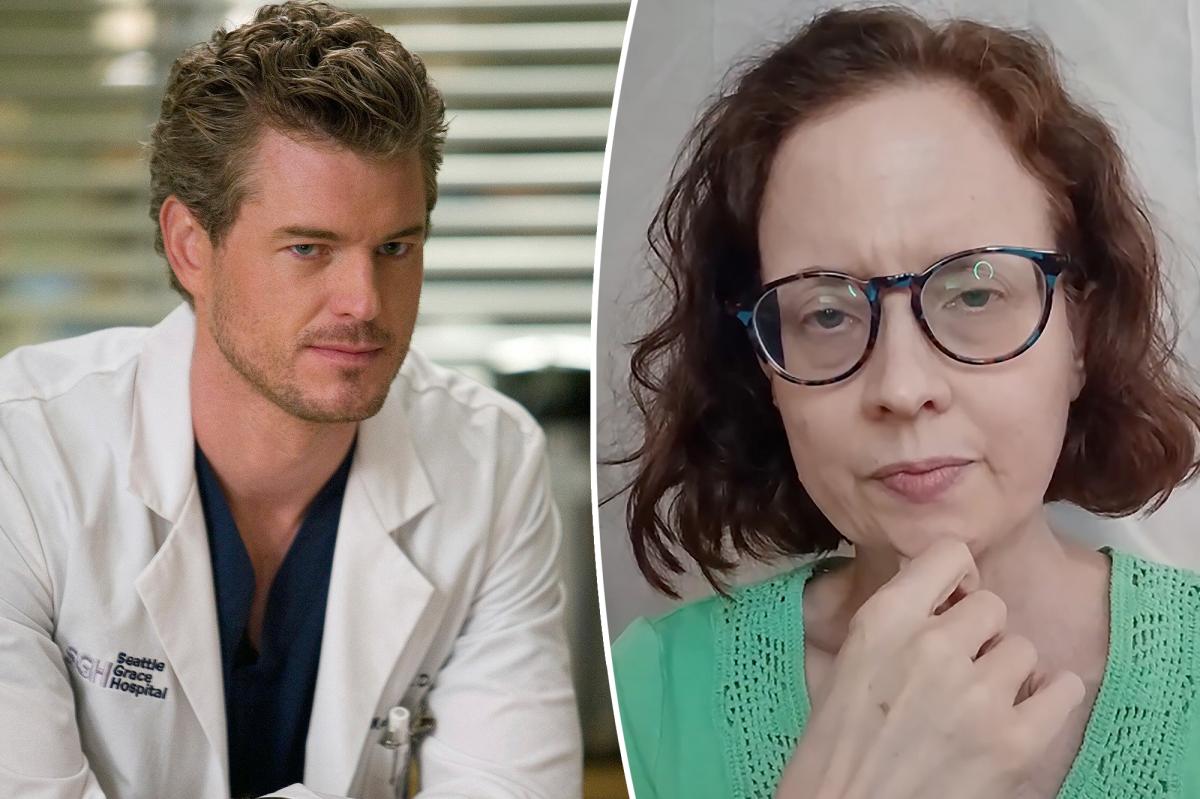
Eric Dane's Grey's Anatomy Exit: Unpacking Bullying Allegations
The recent passing of beloved actor Eric Dane, widely recognized for his iconic portrayal of Dr. Mark Sloan, or "McSteamy," on the long-running medical drama *Grey's Anatomy*, has brought with it an unexpected and deeply sensitive development. While fans globally mourned his loss and celebrated his impactful career, former co-star Laura Ann Tull swiftly came forward with serious allegations, accusing Dane of bullying and mistreatment during their time together on the set. These claims, emerging shortly after news of Eric Dane's death, have sparked a complex conversation, urging a re-examination of his 2012 exit from the show through a new, controversial lens. This article delves into these allegations, contrasting them with official narratives, and exploring the wider implications of such posthumous claims in the entertainment industry.
The Enduring Legacy of Dr. Mark Sloan and Eric Dane's Tragic Passing
Eric Dane carved a memorable niche in television history as Dr. Mark Sloan, the charismatic plastic surgeon who quickly became a fan favorite on *Grey's Anatomy*. From his debut in 2006 to his poignant departure in 2012, Dane's character was central to many of the show's most beloved and heartbreaking storylines, leaving an indelible mark on millions of viewers. His character's charm, wit, and emotional depth made him a cornerstone of the Seattle Grace Hospital — later Grey Sloan Memorial Hospital — ensemble.
The news of Eric Dane's death on February 19, 2026, at the age of 53, following a courageous battle with Amyotrophic Lateral Sclerosis (ALS), sent shockwaves across the entertainment world. Tributes poured in from former colleagues, friends, and legions of fans, remembering him not just for his captivating on-screen presence but also for his advocacy for ALS awareness in the months leading up to his passing. His family confirmed he was surrounded by loved ones, concluding a life that, for many, symbolized strength and resilience in the face of illness. However, amidst this outpouring of grief, the resurfacing of past workplace controversies cast an unexpected shadow.
Unpacking Laura Ann Tull's Explosive Bullying Allegations
Just days after the announcement of Eric Dane's passing, Laura Ann Tull, a former background actress on *Grey's Anatomy*, utilized social media to level explosive accusations against the late actor. Tull described Dane as a "narcissist" and detailed a pattern of bullying behavior, alleging that he mocked and mistreated her on set, even while she was grappling with personal health issues. Her posts were unequivocal, stating that his death "doesn't change the destruction he caused," characterizing his actions as profoundly damaging to her both professionally and personally. These assertions are central to the "eric dane death bully" discussion that has captivated online discourse.
A History of Claims
This isn't the first time Tull has made such claims. In a 2018 essay reflecting on her experiences in Hollywood, she previously referenced Dane by name, detailing similar negative interactions. In that earlier account, she stated that while she never spoke to him directly, she overheard him speaking negatively about her to others. These consistent allegations underscore the deeply personal impact she attributes to his alleged behavior. The recent posts on platforms like Threads reiterated her belief that Dane was a "coward who abused me. Bullied me. Made fun of me," expressing a wish for an apology that never came.
Beyond the personal impact, Tull also made a significant, unconfirmed assertion regarding Eric Dane's departure from *Grey's Anatomy*. She claimed to have contacted executives connected to the show, including the office of creator and executive producer Shonda Rhimes, and suggested that her raising concerns played a direct role in his eventual exit from the series. This specific claim introduces a compelling, yet unsubstantiated, element into the narrative surrounding Dane's exit. For more on this particular aspect, see
Grey's Anatomy: Co-Star Claims She Got Eric Dane Fired.
Conflicting Narratives: Eric Dane's Grey's Anatomy Exit
The claims made by Laura Ann Tull directly challenge the officially established reasons for Eric Dane's departure from *Grey's Anatomy* in 2012. At the time, statements from ABC and Shondaland framed his exit as a mutual decision, primarily driven by evolving storylines and creative considerations for the long-running show. It's common for major cast members of successful series to experience character arcs that reach a natural conclusion, or for creative teams to make bold decisions to refresh narrative dynamics.
Behind the Scenes Considerations
However, Dane himself offered a slightly different perspective in subsequent interviews, suggesting he felt he had been "let go" amid broader production considerations. It's a known industry reality that as shows progress and cast members' contracts mature, the financial investment required to retain long-standing actors can become substantial. *The Hollywood Reporter* has previously indicated that budget and creative decisions were indeed key drivers for his 2012 exit, as the cost of long-running cast members could significantly impact a show's financial viability. Dane also acknowledged personal struggles with prescription medication around that period but maintained they were not the primary reason for his departure, emphasizing the show's creative direction as the main factor.
Crucially, there has been no public confirmation from ABC, Shondaland, or representatives for Eric Dane regarding Tull's claims that she influenced his departure. Media outlets like *Complex* have noted the absence of any public record supporting her assertion. This creates a significant disparity between Tull's personal belief and the official or widely reported reasons for Dane's exit, leaving a void of substantiated evidence for her specific claim about being the catalyst for his firing.
The Broader Conversation: Workplace Dynamics and Posthumous Claims
The situation surrounding Eric Dane's death and the subsequent bullying allegations from Laura Ann Tull opens up a broader, often uncomfortable, discussion about workplace dynamics in Hollywood and the complexities of posthumous claims. The entertainment industry, like many high-pressure environments, can be susceptible to various forms of misconduct, and the power dynamics between leading actors and background talent are often stark.
Challenges of Verification and Impact on Reputation
When allegations surface, especially years after the purported events and after a public figure's passing, verification becomes incredibly challenging. Witnesses may be difficult to locate, memories can fade, and the accused is no longer able to respond or defend themselves. This poses significant ethical dilemmas regarding how such claims should be handled by the media and the public. There's a delicate balance between giving voice to alleged victims and safeguarding the reputation of someone who can no longer speak.
This scenario highlights the importance of robust reporting mechanisms and support systems within workplaces to address concerns in real-time. Had such claims been formally investigated during Dane's tenure, a clearer picture might have emerged. In the absence of official investigations or corroborating evidence, these become matters of personal testimony against a legacy that is now subject to revision. For further insights into the reaction to these claims, read
Eric Dane's Post-Death Bullying Claims Rock Grey's Anatomy.
Navigating Sensitive Information and Unconfirmed Allegations
In an age of rapid information dissemination, particularly via social media, it's more important than ever for audiences and media alike to approach sensitive allegations, especially those emerging posthumously, with critical thinking and a commitment to verified facts.
Tips for Media Consumption in Such Cases:
- Distinguish Allegations from Facts: Clearly understand that accusations, no matter how serious, remain allegations until officially substantiated through investigation or legal process.
- Seek Multiple Sources: Rely on reports from reputable news organizations that cite multiple sources and provide context, rather than unverified social media posts.
- Consider the Source and Motivation: While a claimant's personal experience is valid, it's also important to understand their specific role and relationship to the accused, and if they have a history of similar claims.
- Acknowledge Lack of Confirmation: Be aware when official entities (like networks, production companies, or representatives) have not confirmed or responded to claims. This absence of response is itself a piece of information.
- Respect Due Process: Understand that in an ideal world, all parties would have the opportunity to present their side. In cases of posthumous allegations, this becomes impossible for the deceased.
This measured approach helps prevent the spread of misinformation and ensures that complex situations are treated with the nuance they deserve, respecting all individuals involved.
Conclusion
The news of Eric Dane's death marked a profound loss for many, commemorating an actor whose presence as Dr. Mark Sloan left an undeniable impact on television. However, the emergence of serious bullying allegations from former co-star Laura Ann Tull has introduced a challenging and somber dimension to his legacy. While Tull's claims are emphatic and deeply personal, painting a picture of an "eric dane death bully" scenario, they currently stand as unconfirmed allegations, particularly regarding her asserted role in his *Grey's Anatomy* exit. These personal accounts diverge significantly from the official and publicly understood reasons for Dane's departure, which focused on creative decisions and budget considerations. As the entertainment world grapples with these posthumous claims, the situation underscores the inherent difficulties in navigating historical workplace accusations, the importance of verifiable evidence, and the ethical considerations involved when an accused individual can no longer respond.